
When Design Becomes Invisible
Design once lived on the surface—in pixels, products, and presentations polished for visibility. But as AI reshapes how work happens, its center of gravity has shifted.
The interface is no longer where value resides. What matters now is how systems adapt and decide. The designer’s role is moving from shaping appearances to shaping intelligence.
As Suff Syed writes in FutureMemo, design must move from the surface to the substrate—from visible experience to the logic beneath. The creative act now lies in structuring the invisible: the flows of data, feedback, and decision-making that determine how organizations learn.
Because beneath every outcome lies a hidden design: the incentives, rules, and signals that guide behavior. If we don’t shape those, someone—or something—else will.
Designing for Reflection
If the substrate is where systems learn, reflection is how they stay aligned with intent.
At MIT, Dr. Renée Richardson Gosline calls this friction by design—creating intentional pauses in AI systems that help people slow down, question assumptions, and make wiser choices. Friction, in this sense, isn’t inefficiency; it’s integrity. It protects agency in a world built for speed.
Curiouser.AI explores a related concept through Reflective AI—not machines that become self-aware, but systems that make us more aware. Reflection and friction serve the same purpose: introducing mindfulness into motion. They slow action just enough to keep speed from turning into blindness.
For example, a team added a brief confirmation step for complex, high-impact decisions: the model shared its reasoning, and a human confirmed or adjusted it. Within months, errors dropped, overrides became rarer, and reviews grew faster as the system and its users learned together.
Relational.AI adds another layer—reasoning. It builds architectures that make relationships among data, models, and decisions visible. They don’t replace judgment; they give it context.
Together, friction and reflection define the next frontier of design—systems that stay aligned because they surface logic and invite scrutiny. The goal isn’t just efficiency; it’s creating organizations that learn—and know how they learn.
Designing Organizations That Learn
Designing for reflection means embedding learning directly into operations. It demands attention to visibility, measurement, and culture.
- Map the InvisibleTrace the architecture behind decisions: prompts, data pipelines, incentives, and governance rules. You can’t redesign what you can’t see.
- Measure Learning, Not Just ResultsKeep tracking outcomes—what happened—but also ask how understanding evolved. Did the system and its people get smarter between decisions? Metrics should reveal improvement in judgment, not just progress in results. Track learning velocity (how quickly insights change decisions), decision quality (fewer rollbacks and escalations), and model-human alignment (override patterns trending toward clarity, not confusion).
- Create Reflection RitualsBuild deliberate friction into your processes. Pair human retrospectives with AI-assisted analysis. Askwhybeforewhat next. Design workflows that turn execution into inquiry. Friction is not delay—it’s due diligence at machine speed, especially in high-impact actions like approvals, triage, pricing, or safety.
These practices help organizations see their own thinking. They turn performance into learning and experimentation into strategy.
A New Kind of Design
Strategists and designers have always turned vision into reality. Now their craft must evolve again from making ideas tangible to making intelligence intentional. They must become translators between human and machine sense-making; architects of systems that learn through reflection and context.
That’s the next craft: not just designing interfaces that delight, but systems that understand. Not just creating results, but cultivating insight.
In this new terrain, reflection is not optional; it’s how we keep intelligence human. Because what we don’t shape still shapes us.
#AI #DesignLeadership #Strategy #IntelligentOrganizations #ReflectiveAI #AInative #HumanCenteredAI #ResponsibleAI #SystemsThinking
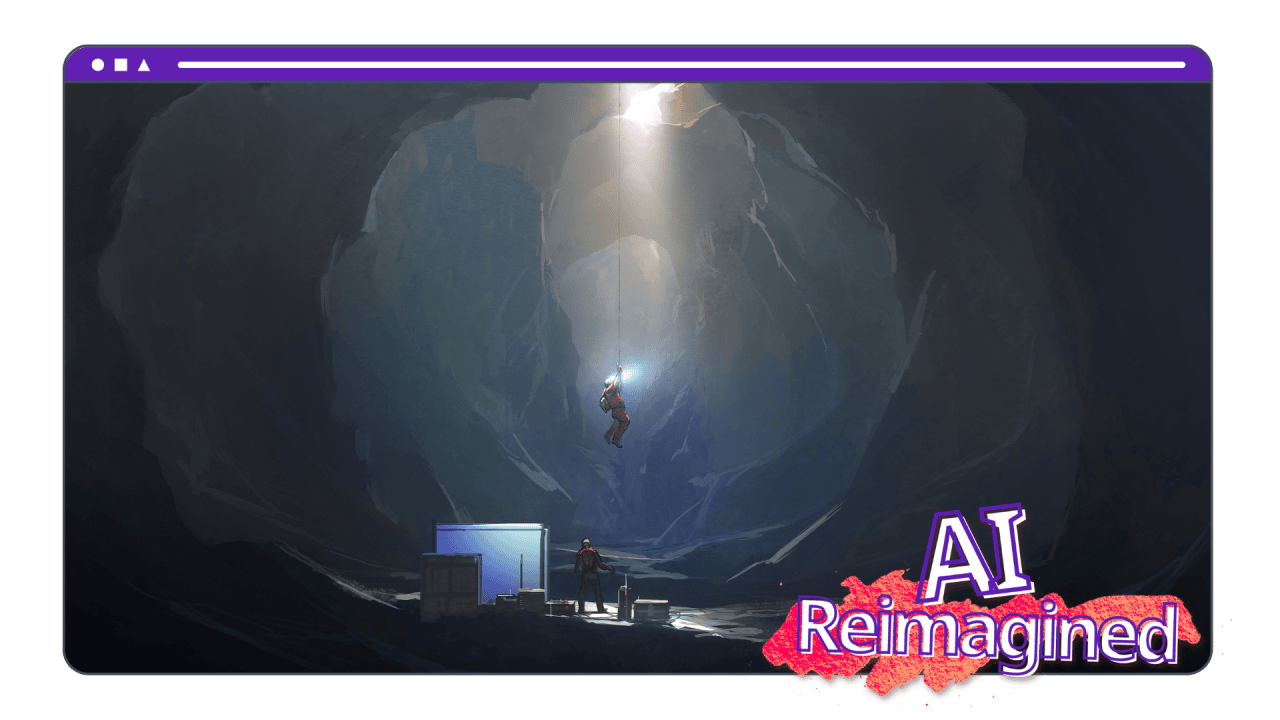
Image: Strange cave by liuzishan. Freepik.


