
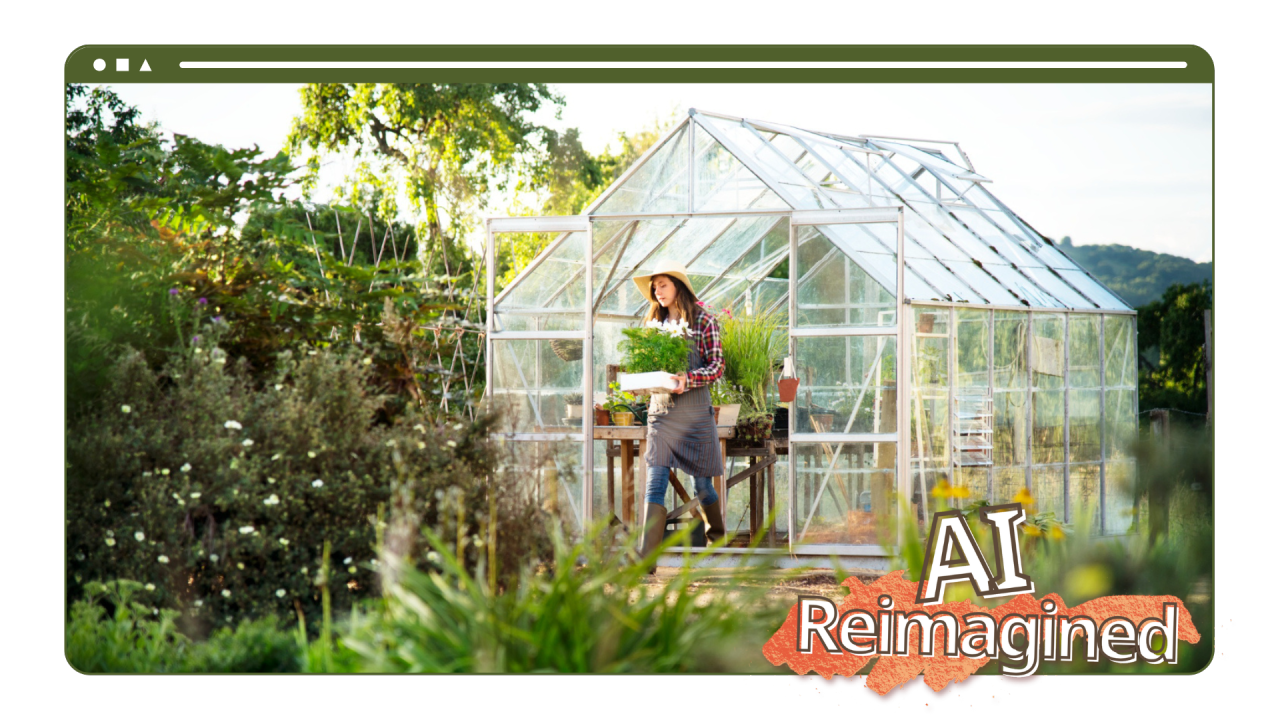
There’s a race on, and spending is sprinting to keep up. Closed-source leaders—OpenAI, Anthropic, Google’s Gemini—promise progress through control. Inside their glasshouses, performance looks effortless because the climate is controlled—and rented.
Yet outside the glasshouse, the garden has been maturing. Open families—Llama, DeepSeek, Moonshot’s Kimi—approach flagship performance for many tasks at a fraction of the cost. They don’t remove effort; they relocate it. A little tending up front—a secure home, a careful evaluation, a simple adapter—buys what closed systems don’t sell: ownership.
A quieter truth sits beneath the race: progress belongs to those who build environments that learn faster than their models. Cultivating intelligence also means cultivating platform skill—knowing your soil.
The Price of Dependence
Closed models package capability as convenience. You integrate once, and everything routes through their interface. It feels simple, until the footprint expands. Each new workflow mirrors a single vendor’s assumptions and cadence. Every use case adds per-token spend and deeper coupling. Guardrails can shift overnight, and latency or privacy become someone else’s problem—especially at the edge, where speed and context decide outcomes.
Some platforms soften this by letting you switch models behind one interface. It helps. But if orchestration still lives inside a proprietary layer, dependency hasn’t vanished; it has just moved.
For leaders, this isn’t just a technical risk, it’s a strategic one. Dependency compounds quietly: cost control weakens, data governance drifts, and innovation pace becomes contingent on someone else’s roadmap. True resilience starts where ownership begins.
The Open Path, Practical Now
Open source isn’t a manifesto. It’s a method for keeping options open, particularly where the work happens.
Stand models where you control the data. Evaluate them on your own tasks, under your constraints, your edge conditions. Add light adapters so the system speaks your language and context.
In return you gain three compounding advantages: control, portability, and cost discipline. On the factory line, in the branch, at the bedside—where decisions are made—the garden’s logic shows. No per-call rent, less data egress, and learning that stays close to the work.
These aren’t abstract virtues. They translate into clearer economics, stronger compliance, and faster local decision cycles. Benefits that compound in environments where milliseconds and context matter.
Shared Soil, Not Walled Plots
The future isn’t about choosing sides; it’s about breathing across boundaries. Gardens thrive in ecosystems. Build shared sandboxes where teams can prototype safely, trade context, and exchange tools without surrendering control. Prefer open interfaces and portable patterns so intelligence can move—between teams, sites, and partners—without being rewritten or re-rented.
Cultivation at scale looks federated: local roots for privacy and latency; common pathways for collaboration. That’s how you keep options open while letting knowledge flow.
Discernment, Not Dogma
Every model carries the imprint of its soil—the datasets, filters, and defaults it absorbed. Intelligence isn’t neutral. Choose systems aligned with your law, your language, your purpose.
Benchmarks measure what happens in the lab. Your advantage lies in how a model behavesin your environment—with your people, feedback loops, and constraints. Build small, repeatable evaluations. Run them where the work is. Turn testing into habit, not event.
Cultivation is care disguised as discipline.
What the Garden Asks—and Returns
What it asks is small: a secure home, real-world tests, light tuning. What it returns is large: control, portability, and economics that compound with use. Capabilities that strengthen where speed meets judgment.
The garden needs gardeners: platform stewards and product teams who tend data hygiene, evaluate results, and guide adaptation. The investment is modest; the payoff is independence.
Owning the Future
Every technological age begins with spectacle and ends with stewardship. The glasshouse gives speed but traps fragility; the garden asks for intention and yields resilience. The edge is where the difference shows—on the factory line, in the clinic, on the client’s device—where latency matters, privacy is non-negotiable, and context decides. That’s where roots become strategy.
The strongest gardens are porous by design: local roots, open paths, shared sandboxes, and pathways to glasshouses. Organizations that learn to cultivate intelligence close to their work—and let it breathe across boundaries—accelerate both insight and independence. Rent to explore; cultivate where you commit. Especially at the edge.
Because future-proof isn’t something you buy. It’s a garden you tend.
#AITransformation #OpenSourceAI #DigitalStrategy #EdgeComputing #HumanCenteredAI #AILeadership #ResponsibleAI #IntelligentOrganizations #DataGovernance #FrugalInnovation #AIatTheEdge #EnterpriseAI #AIEcosystems #PlatformStrategy #AIInfrastructure #AIResilience #InnovationLeadership
Photo by Freepik


